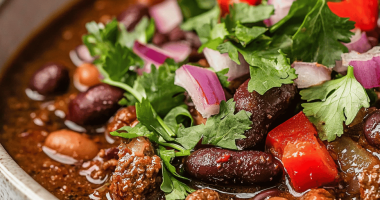
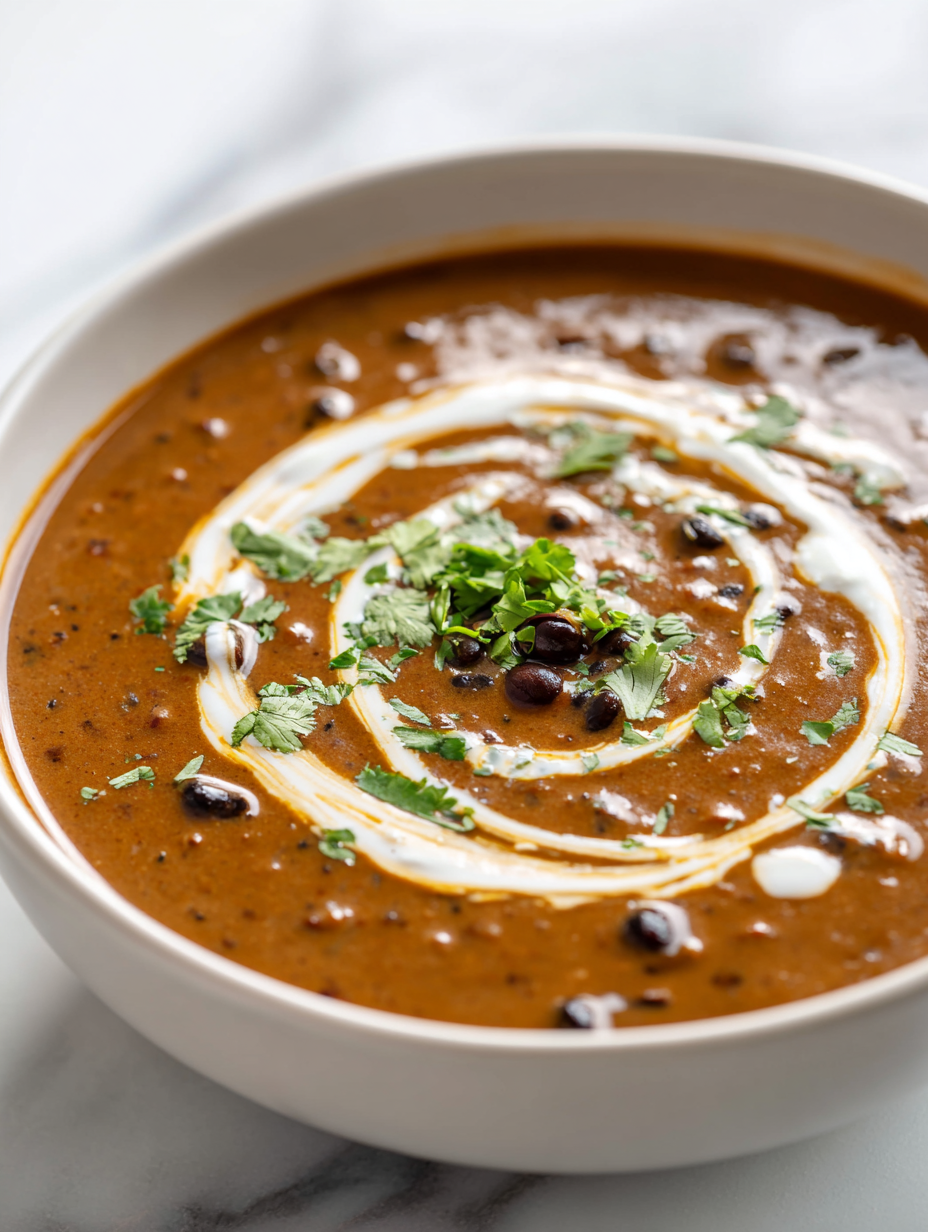

Making Dal Makhni is a reminder that patience in the kitchen yields the best results. I’ve always loved its unassuming charm, slowly developing into a bowl of velvety, smoky goodness. It’s a dish that asks for a little extra time but rewards you with depth and comfort that’s hard to beat.
Why I keep coming back to this recipe
Its slow, soulful simmering teaches patience, and each batch gets better with time. I love the way it fills my kitchen with smoky, spiced aromas. It’s a dish that feels like a warm hug after a long day, especially when I crave something hearty and honest.
Breaking down the ingredients, honestly
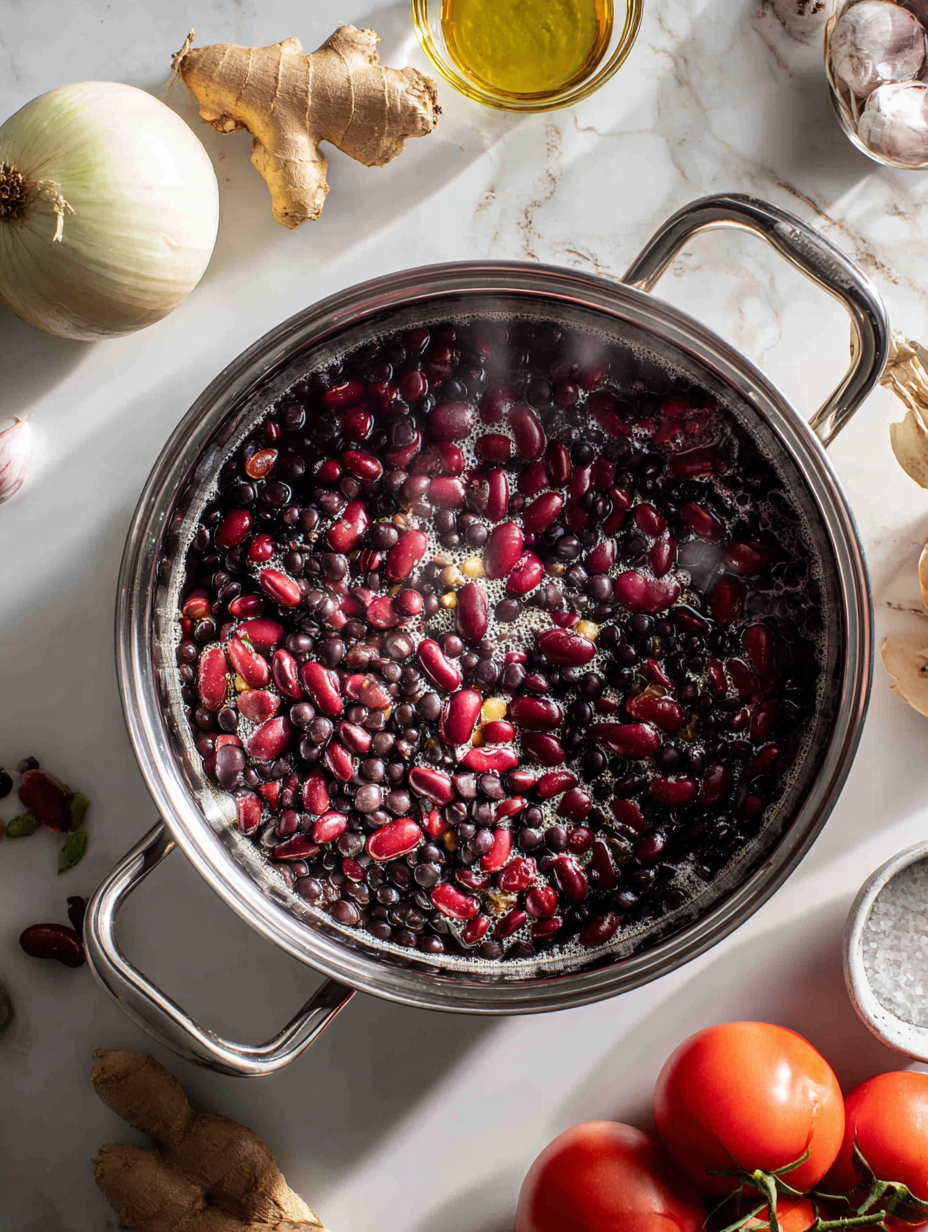
- Black lentils and kidney beans: The backbone of the dish, they need time to soften and release their earthy, nutty flavors.
- Ghee or butter: Creates a rich base and helps release the aroma of spices; use butter for a milder, creamy touch.
- Tomatoes: Provide acidity and sweetness, balancing the earthy lentils—go for ripe, juicy ones.
- Kasuri methi: Adds a smoky, herbal note that elevates the dish, especially if you crush it fresh.
- Cream or butter: Finish with a smooth, velvety finish—use heavy cream for richness or butter for a simple, clean melt.
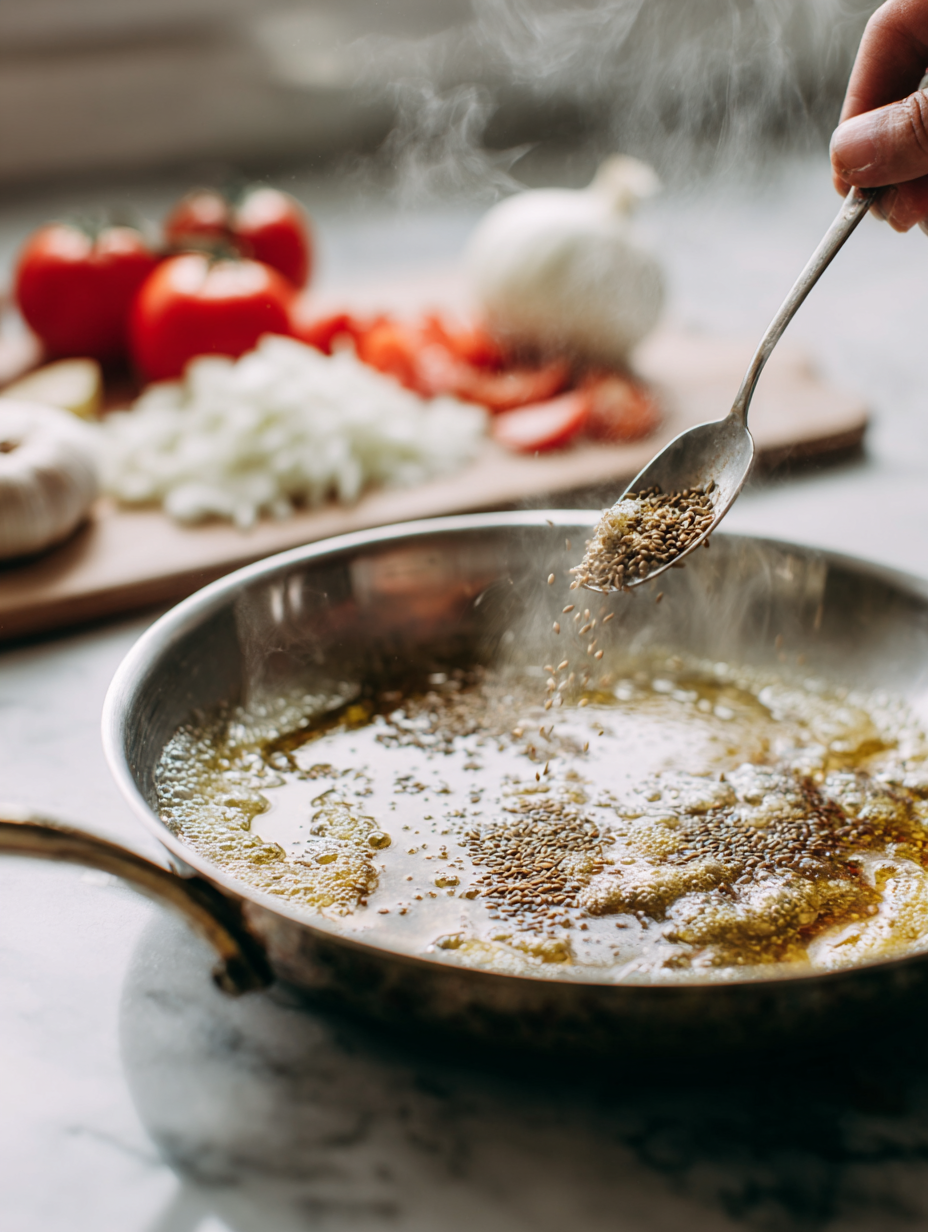
- Spices (garam masala, cumin, chili powder): Layered flavors that build depth; toast cumin seeds for a nutty aroma.
- Lemon juice: Brightens the dish at the end, cutting through the richness with a zing.
Tools of the Trade for a Perfect Dal Makhni
- Large heavy-bottomed pot: Helps prevent burning and ensures even cooking of lentils.
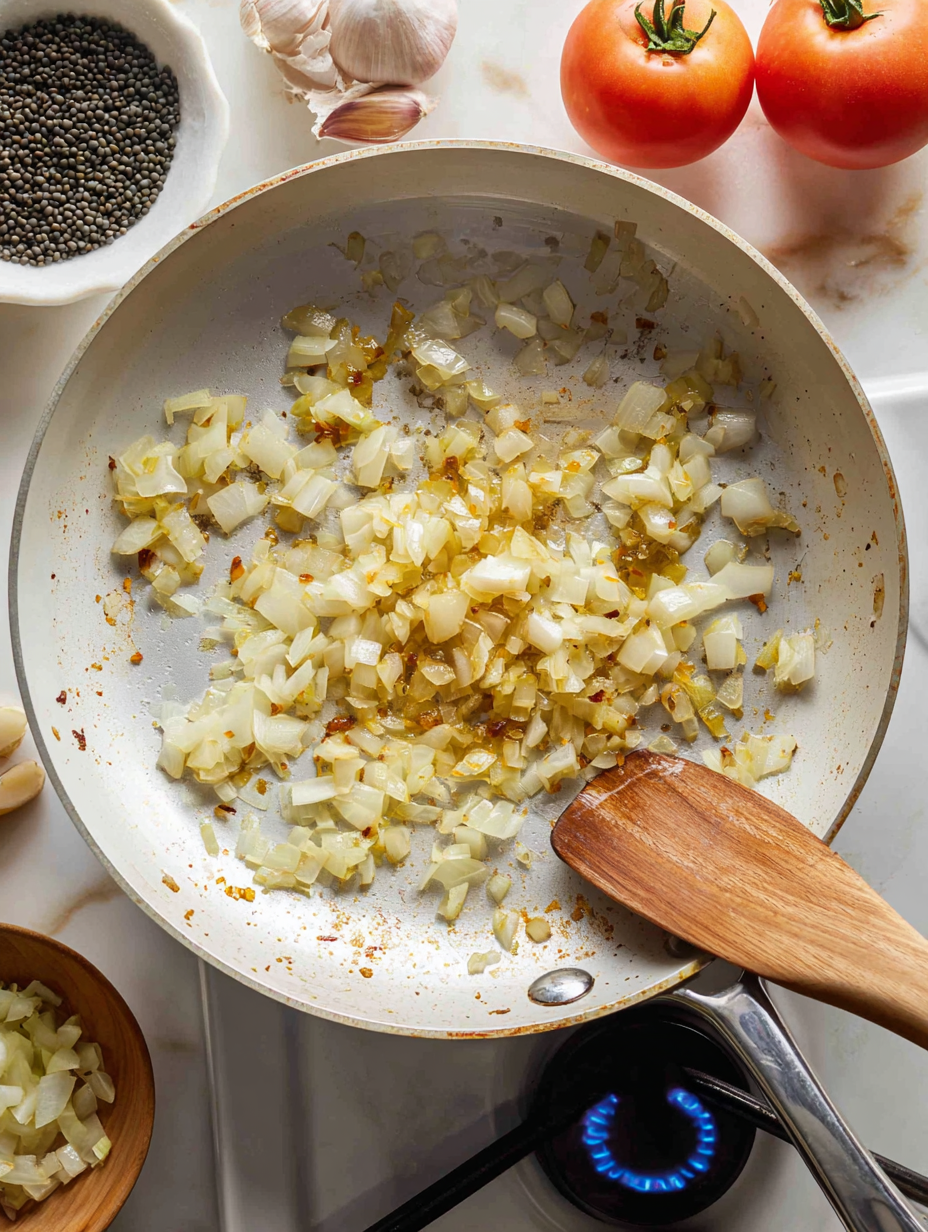
- Skillet or tadka pan: For sautéing onions, garlic, and spices to develop flavor.
- Ladle: To stir and serve the thick stew without breaking the lentils.
- Measuring spoons and cups: For precise spice and ingredient measurements.
Step-by-step for a soulful Dal Makhni
Step 1: Soak the black lentils and kidney beans overnight in plenty of water.
Step 2: Drain and rinse, then simmer in a large pot with water and a pinch of salt for about 1 hour, until soft and breaking apart.
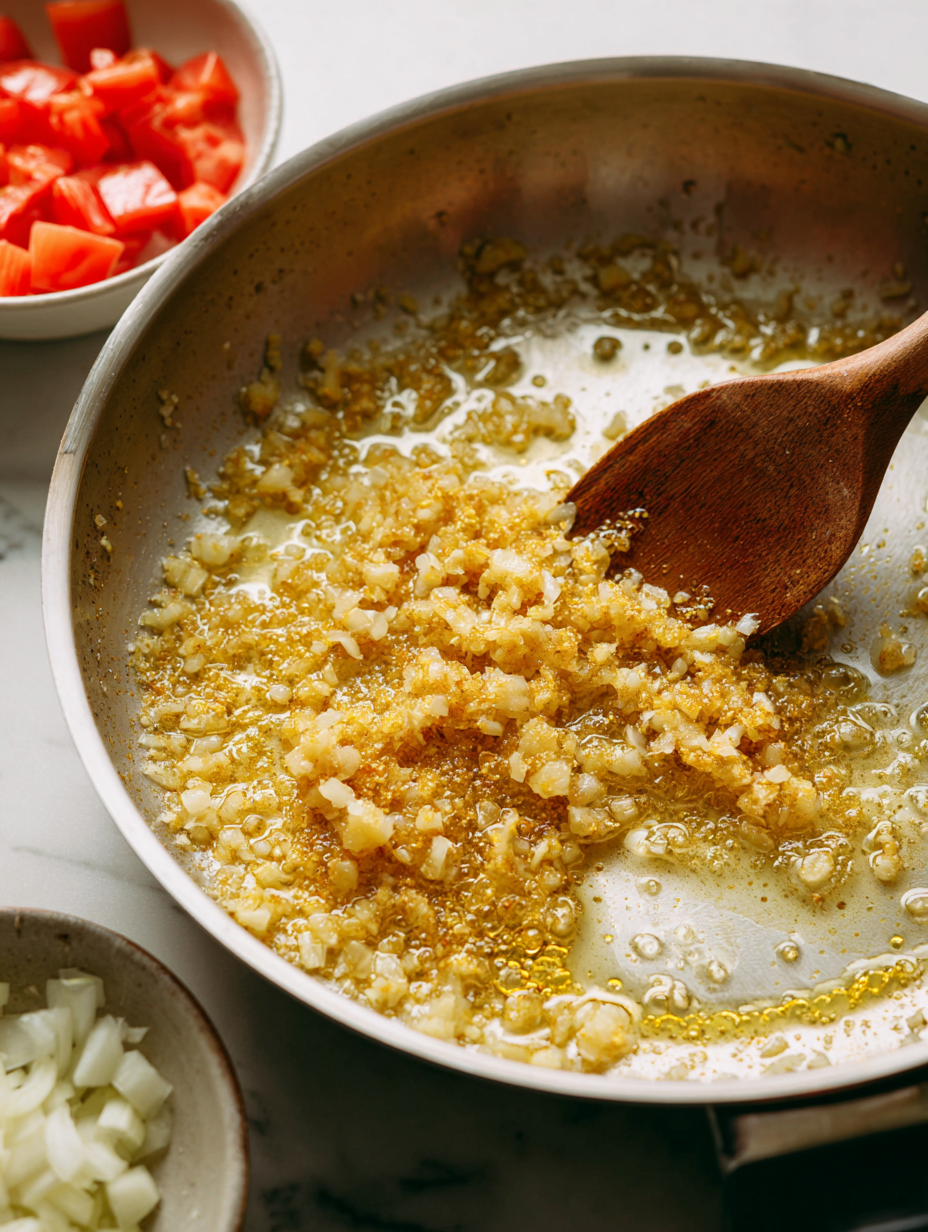
Step 3: In a separate pan, heat ghee or butter, then sauté finely chopped onions, garlic, and ginger until golden and fragrant.
Step 4: Add chopped tomatoes, kasuri methi, and spices; cook until oil separates and the mixture deepens in color.
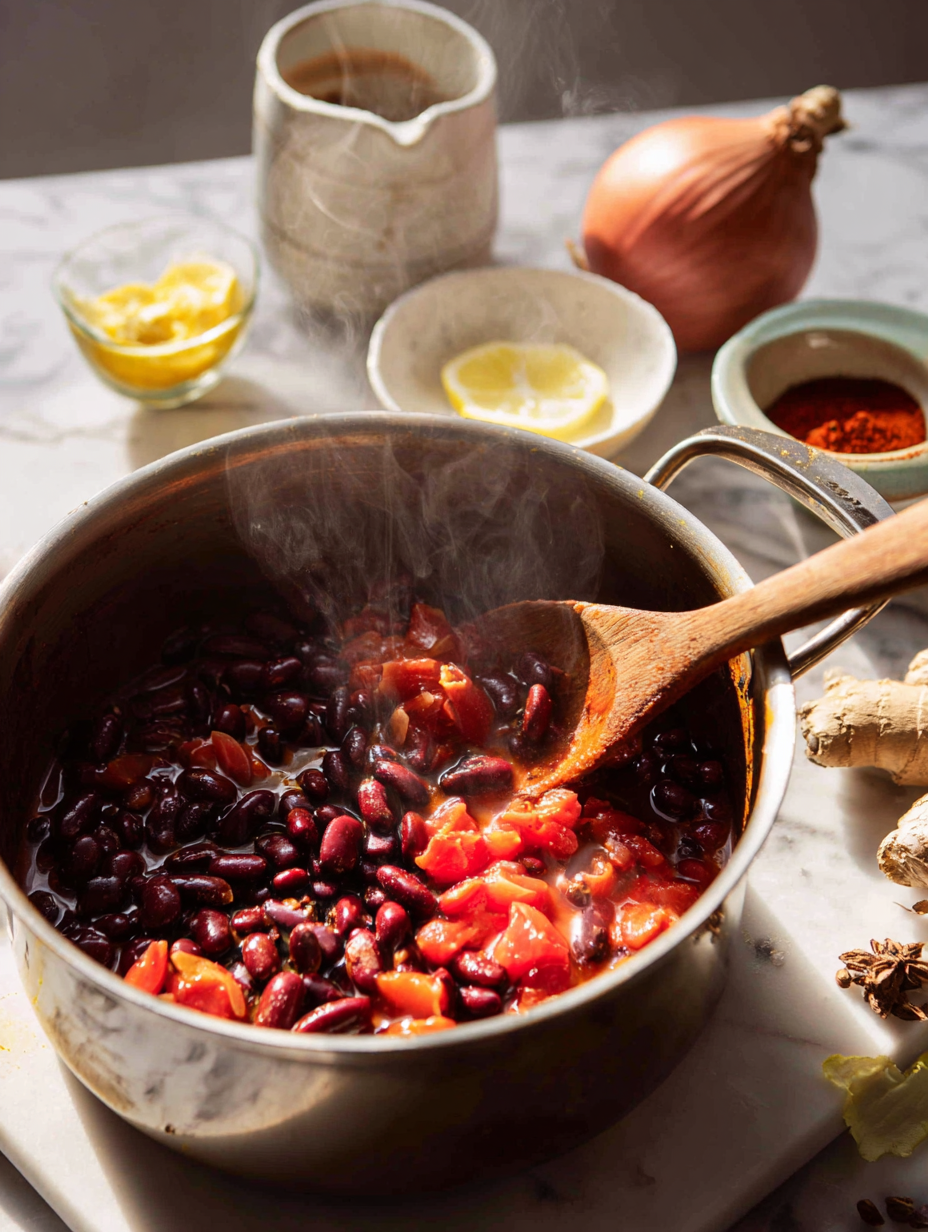
Step 5: Pour the cooked lentils and beans into the spice mixture, add cream or butter, then simmer on low heat for at least 2 hours, stirring occasionally.
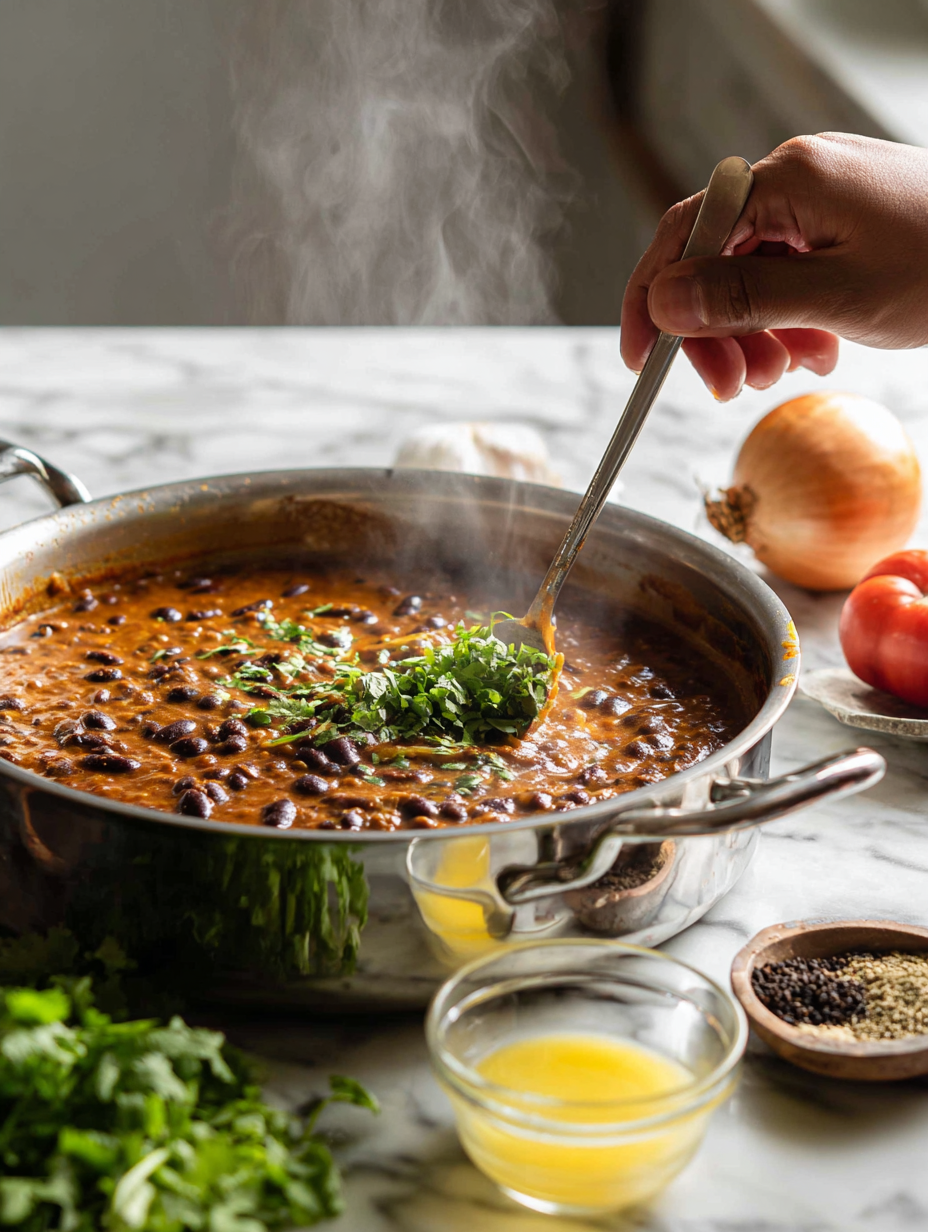
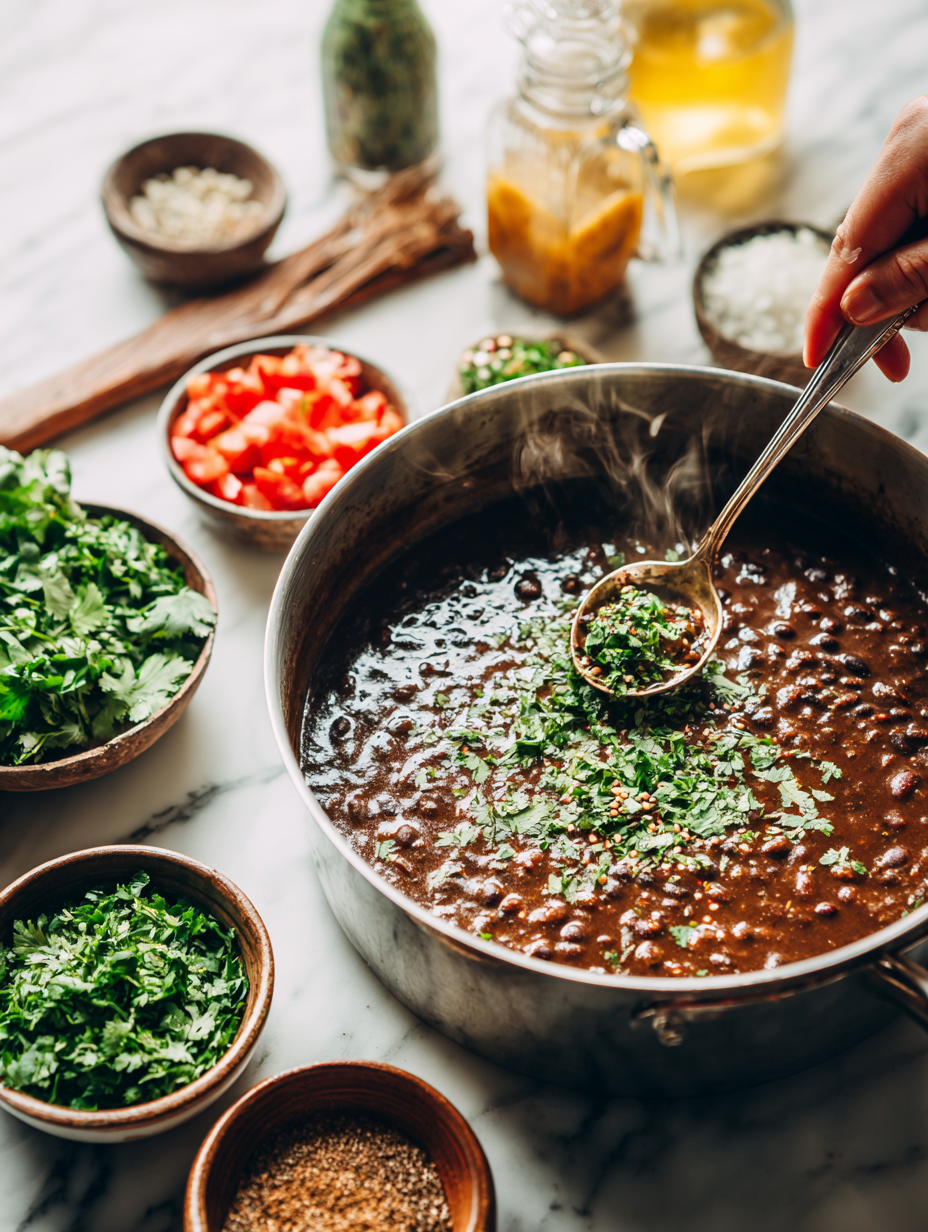
Step 6: Finish with a splash of lemon juice and a sprinkle of fresh cilantro before serving.

Cooking checkpoints to perfect your Dal Makhni
- Lentils should be very soft, almost falling apart, after simmering.
- The oil or ghee should bead on the surface of the spice mixture before adding lentils.
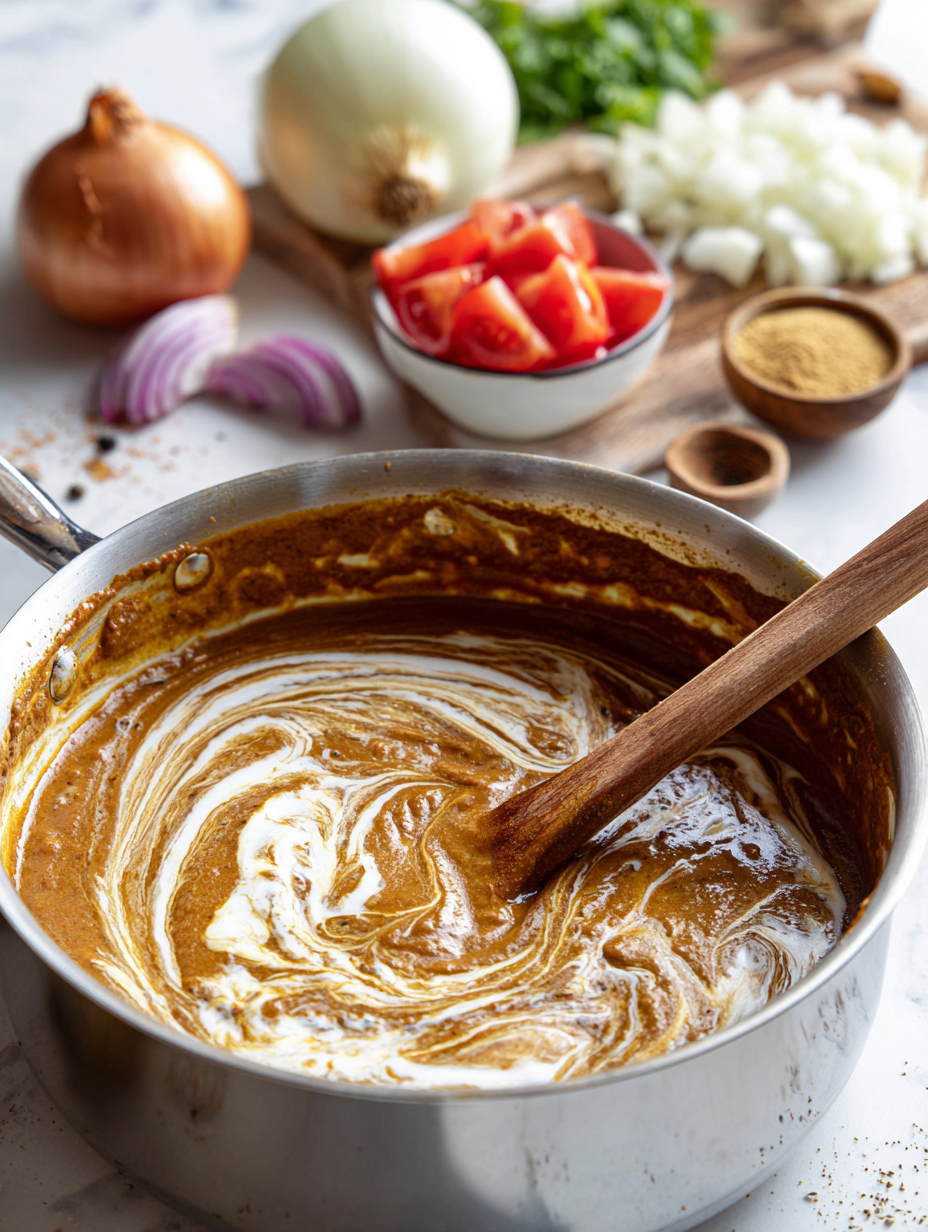
- The final sauce should be thick, with a glossy sheen and a deep, smoky aroma.
- Taste and adjust salt and spice before serving, ensuring a balanced flavor.
Common mistakes and how to fix them
- Not enough cooking time, resulting in gritty lentils.? Add more water and simmer longer if lentils stay grainy.
- Sauce is too watery.? Reduce heat and cook uncovered to thicken the sauce.
- Lack of richness or depth.? Add a splash of cream or butter if the flavor is dull.
- Lentils or spices sticking to the bottom.? Stir frequently to prevent sticking if using a thin pan.
This dish takes time, but it rewards with a richness that’s hard to match. The slow simmering melds flavors and transforms humble lentils into a velvety, smoky stew. Feel free to tweak the spice levels or add a dash of your favorite hot sauce to make it yours. Enjoy it with warm naan or fluffy rice, and savor every spoonful of this hearty, comforting classic.

Hi, I’m Emily Carter, the founder of Absolute Chaos Mode. Born and raised in Portland, Oregon, I grew up in a household where dinner was equal parts delicious and unpredictable