
I’ve always loved how pao bhaji transforms humble vegetables into something vibrant and hearty. It’s a dish I grew up eating at busy street stalls, the smells filling the air and every bite packed with flavor. Making it at home feels like reclaiming those noisy, colorful moments from my childhood.
This recipe is my way of keeping that street-food magic alive, with a slightly rustic twist. It’s forgiving, flexible, and perfect for experimenting with what you have. Plus, it’s a great way to clear out the fridge in one flavorful go.
Why I Keep Coming Back to This Pao Bhaji
It’s a dish that embraces chaos and comfort all at once. The smell alone sparks memories and ignites a craving I can’t ignore. It’s forgiving, forgiving, and endlessly tweakable—perfect for improvising with whatever’s left in my kitchen. Plus, the flavor explosion when you finally scoop and bite is always worth the effort.
What’s in Pao Bhaji? A Breakdown of Key Ingredients
- Onions: I love the sweet, pungent aroma they release when sautéed, forming the base. Swap for shallots if you want milder sweetness.: Builds the savory foundation, adding depth to the mash.
- Tomatoes: Juicy and tangy, they give the bhaji a vibrant, slightly acidic lift. Use canned if fresh aren’t in season.: Provides moisture and a bright flavor.
- Pav Bhaji Masala: The magic spice blend that ties everything together. Adjust for more heat or earthiness.: Gives that signature aromatic punch.
- Green Bell Pepper: Adds crunch and a fresh, grassy note. Skip if you dislike the texture or flavor.: Contributes a slight sweetness and crunch.
- Butter: I prefer a generous dollop for richness, but olive oil works too. Or vegan butter for dairy-free.: Enriches the dish with a velvety finish.
- Lemon: Brightens everything with a quick squeeze. Skip if you’re out, but it really lifts the flavors.: Adds a fresh, citrusy zing.
- Pav Buns: Soft, pillowy, perfect for toasting and scooping. Any good bread can work in a pinch.: The ideal vehicle for scooping up the bhaji.
Tools of the Trade for Pao Bhaji
- Large heavy-bottomed pan or cast-iron skillet: For even heat and easy mashability.
- Sharp knife and chopping board: To prep vegetables efficiently.
- Wooden spoon or spatula: For stirring and mashing the bhaji.
- Ladle or slotted spoon: To serve and check consistency.
A Step-by-Step Guide to Making Pao Bhaji from Scratch
Step 1: Start by finely chopping onions, tomatoes, and bell peppers. Keep everything ready on your cutting board.
Step 2: Heat a large pan over medium heat, add oil, and sauté onions until translucent, about 5 minutes.
Step 3: Add ginger-garlic paste and cook until fragrant, about 2 minutes. Then toss in tomatoes and cook down for another 8 minutes.
Step 4: Stir in spices—turmeric, chili powder, pav bhaji masala—and cook until the oil begins to separate, about 5 more minutes.
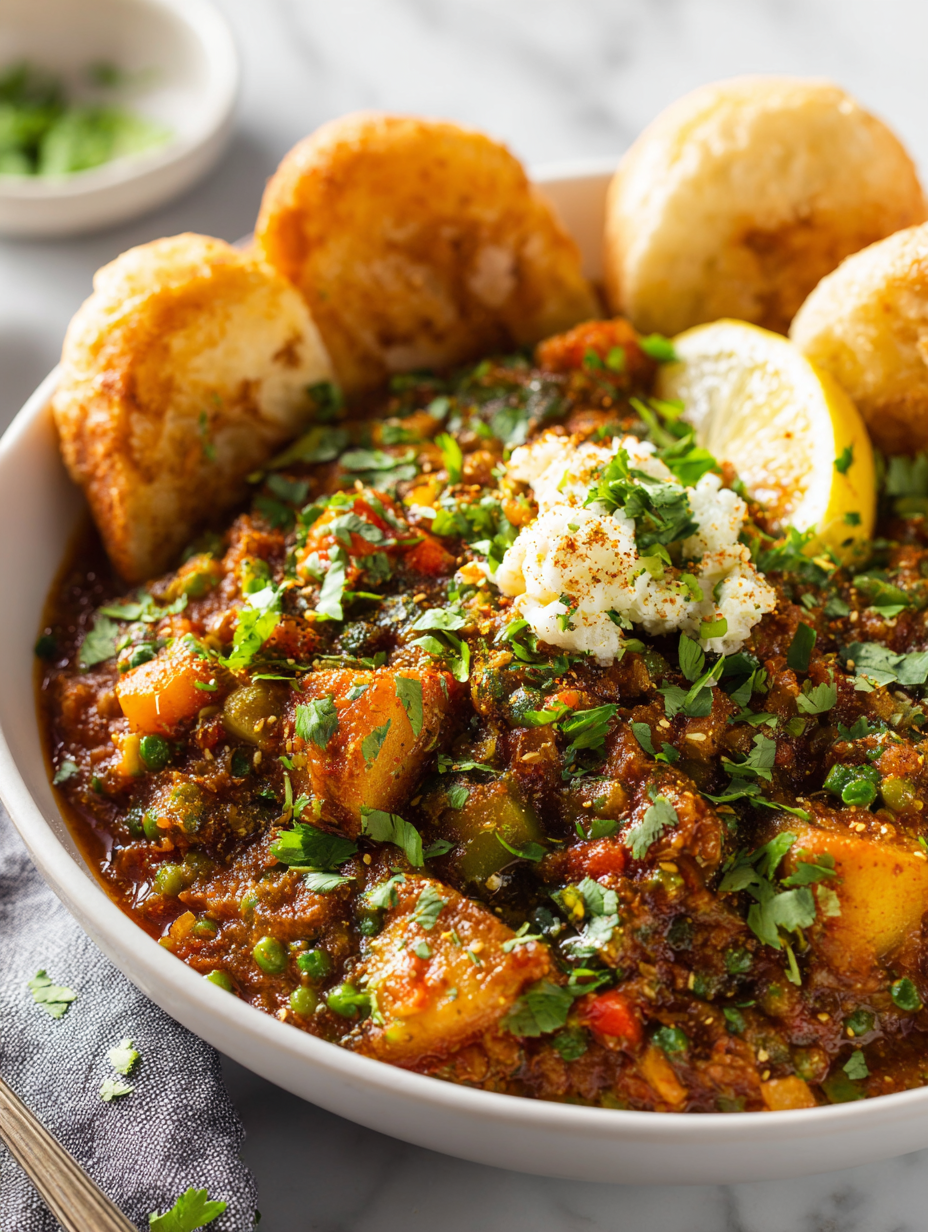
Pao Bhaji
Ingredients
Equipment
Method
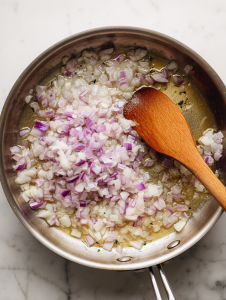
- Heat oil in a large pan over medium heat. Add chopped onions and sauté until they turn translucent and start to soften, about 5 minutes, filling the air with a sweet, fragrant aroma.
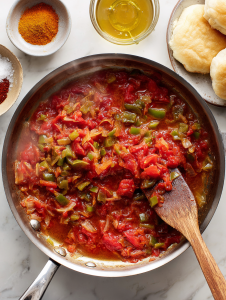
- Add chopped tomatoes and cook until they break down and become saucy, about 8 minutes, stirring occasionally and letting the mixture simmer until thickened.
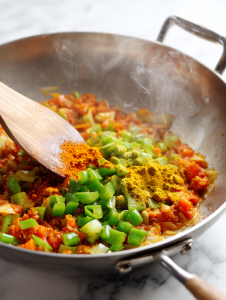
- Stir in chopped green bell pepper along with pav bhaji masala, turmeric, and chili powder. Cook for another 2-3 minutes until fragrant and spices are well incorporated.
- Add the mixed vegetables to the pan. If using leftover cooked veggies, toss them in now. Stir everything together, then reduce heat and simmer for 10-15 minutes, mashing occasionally with the back of your spoon to achieve a chunky, yet smooth mash.
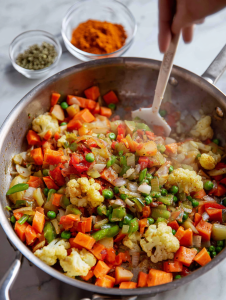
- While the bhaji simmers, slice the pav buns and toast them in a separate skillet with a little butter until golden and slightly crispy, about 2-3 minutes per side.
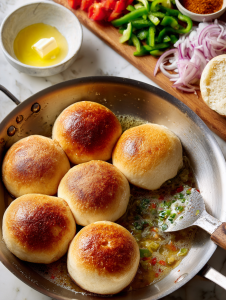
- Finish the bhaji by stirring in lemon juice, adjusting seasoning if needed. The mixture should be thick, flavorful, and slightly chunky.
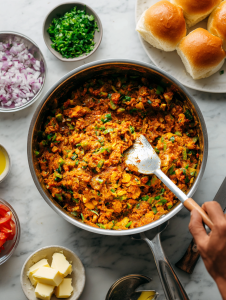
- Scoop generous portions of the hot bhaji onto serving plates, and serve with toasted pav buns on the side for scooping and enjoying each bite.
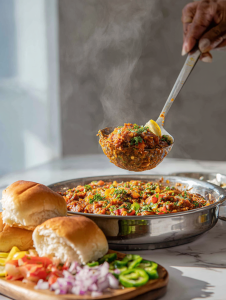
Cooking Tips to Nail the Perfect Pao Bhaji
- Ensure vegetables are cooked down into a thick, mashable consistency for authentic texture.
- Keep stirring the bhaji to prevent sticking and promote even cooking.
- Taste and adjust salt and spice levels towards the end for a balanced flavor.
- Look for a rich, reddish hue from the spices and a fragrant aroma before serving.
Common Mistakes and How to Fix Them
- Over-mashing or making it too runny.? Add a splash of water and mash to loosen a too-thick bhaji.
- Under-spiced, bland flavor.? Simmer uncovered to thicken if overly watery.
- Burnt spices or burnt bottom.? Adjust spices and cook for a few more minutes to deepen flavor.
- Vegetables not cooked down enough.? Reduce heat and stir more often if your bhaji sticks or scorches.
This dish is more than just a quick snack; it’s a celebration of bold flavors and humble ingredients. It’s perfect for lazy weekends or when you need comfort food that’s easy to tweak. Don’t shy away from adjusting the spice levels to match your mood or what’s in your pantry. Serve it with toasted pav and a squeeze of lemon — simple, satisfying, and endlessly customizable.

Hi, I’m Emily Carter, the founder of Absolute Chaos Mode. Born and raised in Portland, Oregon, I grew up in a household where dinner was equal parts delicious and unpredictable